Why Diet Matters for Exotic Pets
Unlike cats or dogs, exotic pets like hedgehogs and sugar gliders can suffer quickly from poor nutrition. A proper diet boosts their immune system, prevents illness, and helps them stay active. A bad diet can lead to obesity, dental problems, or nutrient deficiencies.
Understanding what your pet naturally eats in the wild can help you build a healthy diet at home.
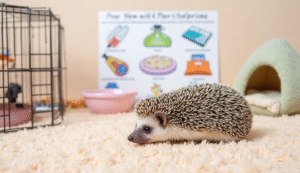
Starter Diet for Hedgehogs
Hedgehogs are insectivores. In the wild, they eat bugs, worms, small animals, fruits, and plants. In captivity, they need a diet that is high in protein and low in fat.
What to Feed a Pet Hedgehog
- High-Quality Dry Cat Food
- Use as the main base of the diet
- Look for brands with 30-35% protein and less than 15% fat
- Chicken or turkey-based foods are best
- Insects (Live or Freeze-Dried)
- Mealworms, crickets, and waxworms
- Feed in small amounts as treats or protein boosts
- Fruits and Vegetables
- Safe fruits: apples (no seeds), bananas, berries, watermelon
- Safe veggies: cooked carrots, peas, green beans
- Feed small amounts 2–3 times a week
- Cooked Lean Meats (Occasionally)
- Boiled chicken or turkey (no seasoning)
- Small, chopped pieces as a treat
Foods to Avoid for Hedgehogs
- Bread, dairy, raw meat, sugary snacks
- Grapes, raisins, onions, garlic
- Nuts and seeds (choking hazard)
Feeding Schedule for Hedgehogs
- Feed once daily in the evening (they are nocturnal)
- Always provide fresh water in a shallow dish or water bottle
Starter Diet for Sugar Gliders
Sugar gliders are omnivores and need a variety of foods to stay healthy. Their diet should include protein, fruits, and calcium-rich foods.
What to Feed a Sugar Glider
- Commercial Sugar Glider Pellets
- Choose a trusted brand made specifically for sugar gliders
- Offers balanced nutrients and easy portion control
- Fresh Fruits
- Apples, mangoes, papayas, grapes (seedless), melons
- Avoid citrus fruits and feed a mix of 2–3 types daily
- Vegetables
- Sweet potatoes, spinach, carrots, corn (small amounts)
- Offer variety, lightly steamed if needed
- Protein Sources
- Boiled eggs, plain cooked chicken
- Yogurt (low sugar, small portions)
- Insects like mealworms or crickets (fresh or dried)
- Calcium-Rich Foods
- Papaya, kale, bok choy
- You can also dust insects or food with calcium powder
Foods to Avoid for Sugar Gliders
- Chocolate, caffeine, alcohol
- Onions, garlic, avocado
- Raw beans, peanuts, high-fat meats
- Artificial sweeteners (deadly even in small amounts)
Feeding Schedule for Sugar Gliders
- Feed in the evening (they are also nocturnal)
- Fresh food daily; remove uneaten food in the morning
- Offer water in a hanging bottle or dish
Tips for Both Pets
- Always introduce new foods slowly
- Observe your pet’s behavior and stool for signs of intolerance
- Keep feeding areas clean to prevent mold and bacteria
- Never rely on a single food; aim for variety and balance
Final Thoughts
Starting your hedgehog or sugar glider on the right diet is one of the most important steps in being a responsible pet owner. Hedgehogs need a high-protein, low-fat diet, while sugar gliders require a mix of fruits, protein, and calcium.
By feeding your exotic pet the correct foods, you help them live a longer, healthier, and happier life. Make sure you research, rotate meals, and monitor their health regularly for the best results.
